Dead trees are more than an eyesore in Winnipeg — they are a liability, a potential Dutch elm disease risk, and, depending on your neighbourhood, possibly a bylaw violation waiting for a notice. Whether an American elm in River Heights finally gave up after a DED infection, a mature elm in Elmwood has been standing dead for two seasons, or a boulevard ash in St. Vital was killed by emerald ash borer, understanding what dead tree removal actually costs in Manitoba helps you budget accurately and avoid being caught off-guard by a quote that seems high but is entirely justified.
How Much Does Dead Tree Removal Cost in Manitoba?
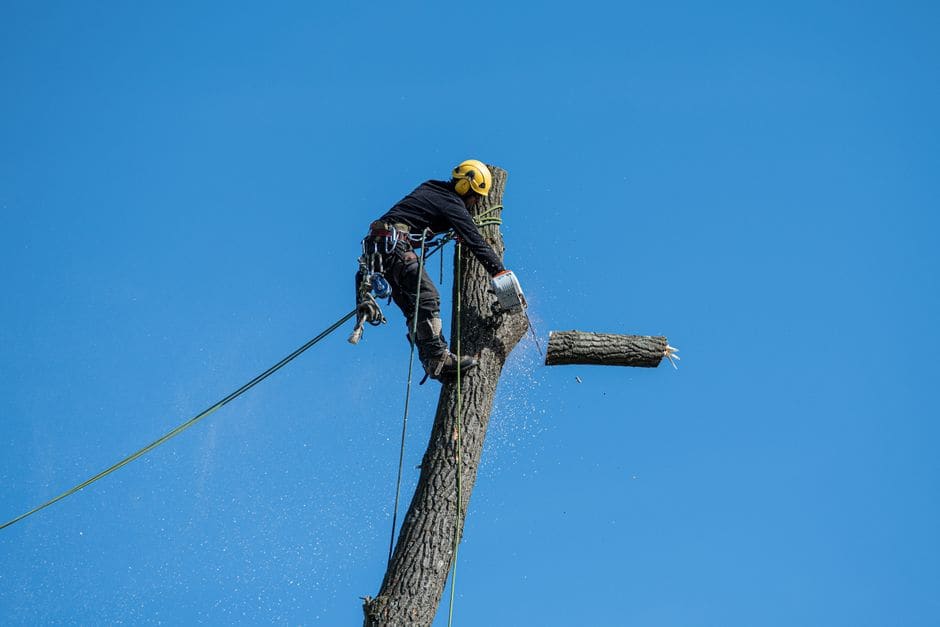
Dead tree removal in Manitoba typically costs between $400 and $2,500 for a residential property, with the majority of Winnipeg jobs falling in the $600–$1,400 range depending on tree size, location, and condition. A small dead tree under 20 feet in an open backyard might come in near the low end, while a large dead elm over 60 feet close to a house, power line, or fence in an established neighbourhood like Tuxedo, Crescentwood, or Fort Rouge will push toward the upper end or beyond. Dead trees are actually more expensive to remove than living ones of the same size because dead wood is unpredictable — limbs can shear without warning, and the structural integrity of the trunk cannot be assumed.
Here is a general breakdown of what you can expect to pay across Manitoba for dead tree removal in 2026:
| Tree Size | Typical Height | Estimated Cost Range | Notes |
|---|---|---|---|
| Small | Under 20 ft | $350 – $700 | Open yard, easy access |
| Medium | 20–40 ft | $700 – $1,200 | Standard suburban lot |
| Large | 40–60 ft | $1,200 – $1,800 | Near structures or utilities |
| Very Large / Elm | 60 ft+ | $1,800 – $3,000+ | DED risk, crane may be needed |
Why Dutch Elm Disease Makes Dead Elm Removal a Separate Category in Winnipeg
Winnipeg has one of the largest urban elm populations of any city in North America, and Dutch elm disease (DED) has shaped how dead elm removal is handled here more than in virtually any other Canadian city. When an elm dies from DED, it does not simply become a standard dead tree job — it becomes a regulated removal with specific timing and disposal requirements. The Manitoba Government — Dutch Elm Disease Program outlines guidelines around when infected elm wood must be removed and how it must be disposed of to prevent the beetle vectors of DED from spreading to healthy trees.
In practical terms for Winnipeg homeowners, this means dead or dying elms typically must be removed before April 1 each year and that elm wood cannot be stockpiled or transported without proper handling. Contractors who are not familiar with these requirements can inadvertently create problems for neighbouring elms — which is one reason why using a local, experienced tree removal service in Winnipeg matters so much when dealing with dead elms specifically.
What Factors Drive the Cost of Dead Tree Removal in Winnipeg?
Several factors specific to Winnipeg and Manitoba's landscape, climate, and tree species will influence your final quote significantly.
Tree Species
Elms dominate Winnipeg's canopy in older neighbourhoods like Wolseley, Armstrong's Point, and Norwood. They grow tall and wide, making them among the more labour-intensive trees to remove dead. Ash trees killed by emerald ash borer are also common throughout the city and present their own challenges — ash becomes extremely brittle once dead, increasing the unpredictability and therefore the risk premium in the quote.
Access and Location on Your Property
A dead tree in the middle of a large Transcona yard with full truck access costs far less to remove than the same tree hemmed in by a garage, fence, and a neighbouring house in a tight Osborne Village lot. Tight access means more hand-climbing, rigging, and time — all of which add cost.
Stump Removal
Most quotes for dead tree removal in Manitoba do not automatically include stump grinding. Expect to add $100–$400 to have the stump ground down depending on its diameter. If you are planning to replant or sod, factor this into your budget from the start.
Winter vs. Summer Removal
Manitoba's winters create unique conditions: frozen ground protects lawns from equipment damage, and bare canopies make dead trees easier to work around, which can sometimes reduce cost. However, extreme cold adds its own complexity. Many Winnipeg homeowners schedule dead tree removal in late fall or early spring — especially for elms, given the April 1 DED deadline — so demand spikes in March and early April, which can affect pricing and availability.
Debris Disposal
Wood and brush disposal is sometimes included in a quote, sometimes not. For DED-affected elms, disposal must follow provincial guidelines, which may require chipping on-site or hauling to an approved facility. Clarify this with your contractor before signing anything.
Get an Accurate Quote for Your Dead Tree in Winnipeg
Every dead tree situation is different — let a local Winnipeg arborist assess yours and give you a firm, transparent price with no surprises.
Get My Free QuoteFrequently Asked Questions
Is a permit required to remove a dead tree on my own property in Winnipeg?
For trees on private property in Winnipeg, a permit is not typically required for removal, but boulevard trees (those between the sidewalk and the street) are City of Winnipeg property and cannot be removed without authorization from Urban Forestry. If you are unsure whether your tree is on private land or a boulevard, check with the City before any work begins.
Can I remove a dead elm myself to save money?
Removing a dead elm yourself is strongly discouraged for two reasons: dead elm wood is structurally unpredictable and poses serious safety risks even for experienced chainsaw users, and elm removal in Winnipeg is subject to DED-related handling rules that homeowners may unknowingly violate, potentially spreading the disease to healthy neighbouring trees. Hiring a qualified, locally experienced arborist protects both your safety and your neighbourhood's elm canopy.
How quickly does a dead tree need to be removed in Manitoba?
For elm trees confirmed or suspected to have died from Dutch elm disease, the general guideline is removal before April 1 each year to prevent elm bark beetles — which spread DED — from emerging in spring and infecting healthy elms. For other species, there is no universal provincial deadline, but dead trees adjacent to structures, utilities, or high-traffic areas should be removed promptly given the increased hazard posed by brittle, unpredictable dead wood.
Does homeowner's insurance cover dead tree removal in Manitoba?
Most Manitoba home insurance policies will cover the cost of removing a dead tree only if it has already fallen and caused damage to an insured structure such as your house, garage, or fence. Preventative removal of a standing dead tree — even one that is clearly hazardous — is generally considered a maintenance expense and is not covered. Check your specific policy wording and contact your insurer directly to confirm your coverage before assuming the cost will be reimbursed.