Every spring in Winnipeg, homeowners walk out after a long Manitoba winter and stare at their trees wondering the same thing: is it dead, or is it just slow to wake up? After a season of -30°C temperatures, heavy ice storms, and months buried under snow, even healthy elms and maples can look alarmingly bare well into May. The answer matters more than you might think — a dead tree near your home is a liability, a storm hazard, and in some cases a legal responsibility. Knowing how to tell if a tree is dead or just dormant can save you money, prevent property damage, and help you make the right call before the next big storm rolls in off the prairies.
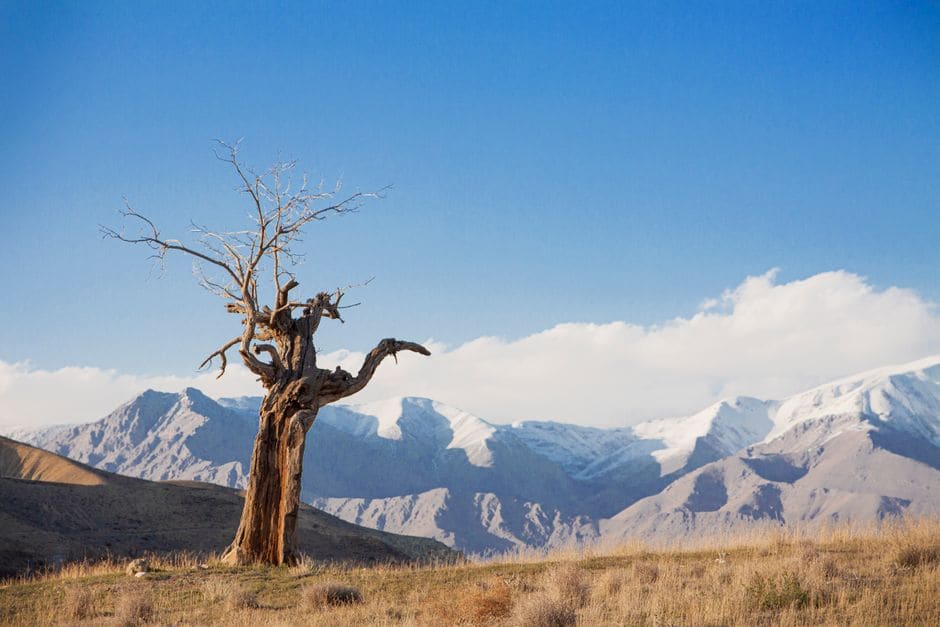
How to Tell If a Tree Is Dead or Just Dormant: The Key Tests
The fastest and most reliable way to tell if a tree is dead or just dormant is the scratch test: use your thumbnail or a small knife to scratch away a small patch of bark on a younger branch. If the layer beneath is green and slightly moist, the tree is alive. If it is brown, dry, and brittle all the way through, that branch — and possibly the whole tree — is dead. Do this on several branches at different heights, because a tree can be partially dead with live growth in other sections. In Winnipeg, it is best to wait until at least late April or early May before drawing conclusions, since our springs are notoriously cold and slow compared to southern Canada.
The Scratch Test in Detail
Choose a branch roughly the thickness of your thumb — not the main trunk and not a tiny twig. Scratch just through the outer bark with a fingernail or the edge of a key. Healthy cambium tissue (the thin living layer just under bark) will be bright green or creamy white and slightly damp to the touch. Dead cambium is tan, brown, or grey and chalky dry. Test at least five or six branches across the canopy before deciding the whole tree is gone.
The Snap Test
Bend a small branch back on itself. A living branch — even a dormant one — will flex and resist before eventually splitting, and the inside fibres will pull apart in a stringy, moist way. A dead branch snaps cleanly and crisply like a dry twig, and the break is dry and powdery inside. In Manitoba winters, cold alone can make branches brittle, so perform this test in warmer weather or on branches you have brought indoors for a few minutes to warm up slightly.
Look for Buds
By late April in Winnipeg, living deciduous trees should have visible, swelling buds — even if leaves have not emerged yet. Run your fingers along a branch. Buds on a living tree feel firm, slightly plump, and may already be showing a faint green tinge at the tip. If the branch is smooth, with no bud development at all, and the bark is beginning to crack or peel away from the wood beneath, that is a strong sign of death in that section of the tree.
What Does a Dead Tree Look Like From the Outside in Manitoba?
A dead tree in Winnipeg typically shows several visible external signs that distinguish it clearly from a dormant one: bark that peels away from the wood easily and falls off in large chunks, deep vertical cracks running the length of the trunk, a hollow sound when you knock on the trunk with your knuckles, fungal conks or shelf mushrooms growing from the base or trunk, and a complete absence of any new growth by late May. Dormant trees may look bare and grey through March and April, but they do not show peeling bark or mushroom growth, and the wood underneath the bark stays smooth and intact.
Manitoba-Specific Warning Signs After Winter
Winnipeg's freeze-thaw cycles are particularly hard on trees. Watch for frost cracking — long vertical splits in the bark that appear after extreme cold snaps. A single frost crack does not mean a tree is dead, but multiple cracks combined with no spring growth is a serious warning sign. Ice storm damage, which can snap major limbs and crack branch unions, can also kill large sections of an otherwise healthy tree. After any major storm event in areas like River Heights, Tuxedo, or the older treed neighbourhoods of Wolseley and Armstrong's Point, it is worth inspecting your mature elms and oaks carefully.
Dutch Elm Disease Complicates the Picture
Winnipeg has more American elm trees than any other city in North America, and Dutch elm disease (DED) can cause a tree to look partially dormant when it is actually dying rapidly. If you notice yellowing or wilting leaves on one side of the crown in summer, or brown streaking in the wood when you cut through a branch, contact the City of Winnipeg — Trees, Boulevards & Urban Forestry immediately. DED-infected trees must be removed under specific timelines to prevent spread to neighbouring elms.
Important: If a tree is on a City of Winnipeg boulevard or is an elm tree, removal and pruning timelines may be regulated. The City prohibits elm pruning during certain months to reduce the spread of Dutch elm disease. Always check current rules with the City of Winnipeg before cutting any boulevard or elm tree, and obtain any required permits before work begins.
Is a Dead Tree Dangerous Enough to Remove After a Storm?
Yes — a dead or significantly compromised tree becomes a serious safety hazard during any wind event, and Winnipeg gets plenty of those, particularly in late spring and summer when thunderstorm season collides with trees that are already structurally weakened from winter. Dead wood loses moisture and becomes brittle and unpredictable. A tree that looks stable in calm weather can shed large limbs or topple entirely in a 60 km/h gust. If a dead or dying tree is within striking distance of your home, garage, power lines, or fence, emergency removal should be prioritized rather than delayed.
Storm damage assessments are not always straightforward. A tree may have survived a storm visually intact but suffered root damage or trunk splitting that makes it a future hazard. If you are dealing with a tree that came down or was heavily damaged in a storm, or if you need larger areas of dead or hazardous trees cleared, professional land clearing services in Winnipeg can handle multi-tree removals, stump grinding, and debris cleanup in a single visit.
Cost Overview: Dead Tree Removal in Winnipeg
| Tree Size | Estimated Removal Cost | Notes |
|---|---|---|
| Small (under 20 ft) | $300 – $600 | Shrubs, ornamentals, young trees |
| Medium (20–50 ft) | $600 – $1,200 | Typical mature boulevard tree |
| Large (50–80 ft) | $1,200 – $2,500 | Mature elm, oak, or cottonwood |
| Emergency/Storm Response | Add $200 – $800 | After-hours, hazard, or active lean |
These are general Winnipeg-area ranges and will vary depending on access, proximity to structures, and whether stump removal is included. Get a site-specific quote before any work begins.
Not Sure If Your Tree Is Dead or a Storm Risk?
Get a professional assessment from a Winnipeg tree removal specialist who can tell you exactly what you are dealing with — before the next storm makes the decision for you.
Get My Free QuoteFrequently Asked Questions
Can a tree look completely dead in spring but still recover in Winnipeg?
Yes, this is more common in Winnipeg than most homeowners expect. Some trees — particularly silver maples and Manitoba maples — leaf out very late after harsh winters, sometimes not until late May or even early June. Always perform the scratch test before deciding a tree is gone, and if any branches show green cambium, give the tree more time before calling for removal.
Does a dead tree attract insects or pests that could spread to my other trees?
Yes. Dead and dying trees in Winnipeg can attract bark beetles and wood-boring insects that may then move into neighbouring stressed or weakened trees. Elm bark beetles are especially concerning because they can carry Dutch elm disease spores from an infected dead tree to healthy elms nearby. Removing a confirmed dead tree promptly reduces this risk significantly.
How long can I safely wait before removing a dead tree in my yard?
In most cases, a dead tree in proximity to a structure, vehicle, or power line should be removed within one to two growing seasons at most. Dead wood deteriorates faster than most homeowners expect — roots decay, the base weakens, and wind resistance drops sharply. In Winnipeg, where summer thunderstorms can bring gusts of 80 km/h or more, a tree that seemed stable in spring can become a critical hazard by July.
Can I remove a dead tree myself in Winnipeg, or do I need a licensed company?
Small dead trees under 15 feet that are not near power lines, structures, or boulevard property can sometimes be felled safely by a capable homeowner, but anything larger carries serious risk of injury or property damage. For any tree near a house, fence, or utility line — or for elm trees subject to city regulations — hiring a licensed, insured Winnipeg tree removal company is strongly recommended. Attempting large removals without proper equipment is one of the leading causes of homeowner injury during storm cleanup.
Will my home insurance cover damage caused by a dead tree that fell on my property?
Most standard Manitoba home insurance policies will cover sudden and accidental damage from a fallen tree, but coverage can be denied if the insurer determines the tree was visibly dead or diseased and the homeowner failed to take reasonable action to remove it. Documenting the tree's condition and getting a professional assessment in writing provides important protection if a future claim is contested.